
Red Cards and Reputations: World Cup winners and losers
A World Cup is never just about football. It’s also about brands. The brands who create a storm despite not being an official sponsor. Levi’s censored logo anyone? The brands whose ads are like summer blockbusters. Nike, we’re looking at you. The brands who use too much AI. Did we really need an AI David Beckham?
But when we talk about brands, we don’t just mean those associated with products or services. We also mean those associated with places, people, ideas and movements. In other words, anything (or anyone) that wishes to build an identity, establish a tangible worth and connect with a specific audience.
And this World Cup proved to be a gift for some and left others facing a summer of damage control. Let’s take a look at those winners and losers.
The losers
USA scores an own goal
It’s always a bit of a worry when a country that doesn’t really play football (or should we say soccer) is a co-host of one of the world’s most prestigious sporting tournaments. And rather predictably the USA was quick to try and Americanise the beautiful game and turn it into something they would recognise.
Hydration breaks, which nicely broke up the games into four quarters to emulate American football. Of course, it had nothing to do with allowing them to capitalise on sponsorship deals by sneaking in a few ads during the game. A Super Bowl-esque half-time show which was ridiculed as being “fake as hell”, “an atrocity for the ages” and “crap”. But then it was orchestrated by Coldplay’s Chris Martin, so what can you expect!
And that’s before we even talk about Trump. Fans barred from entering the United States, visa bond requirements for five World Cup-qualifying nations, visas revoked last minute, Trump basking in the glory of a World Cup Win he had nothing to do with, something which is beautifully summed up by this caption in the Guardian!
America’s reputation wasn’t great before, and sadly the World Cup failed to give it the boost it imagined. But then if you want to commit the ultimate power play and threaten the integrity of the game, what can you expect? Yep, we’re talking about the “Balogun Affair”.
Speaking of which…
FIFA blows the whistle on itself
Until a couple of weeks ago, we would have had the FIA down as the most corrupt governing body in sport (sorry, we still aren’t over Abu Dhabi), but FIFA might just have taken that mantle.
If you want to avoid irreparable damage to how you’re viewed worldwide, then it’s best to try not to anger your target audience, something FIFA did in spades.
- Introducing a dynamic pricing system which saw a World Cup Final ticket costing nearly $11,000 compared to just $1,600 at the Qatar 2022 final
- Adding 30% fees to every transaction on its own resale platform
- Agreeing to the Final Half-time show in direct violation of the IFAB protocol which limits half-time to just 15 minutes
- Preventing reporters from asking questions in Spanish at several press conferences, despite Spanish being one of FIFA’s seven official languages and Mexico being a co-host.
- Implementing a new seeding policy to ensure Argentina and Spain could not meet until the final.
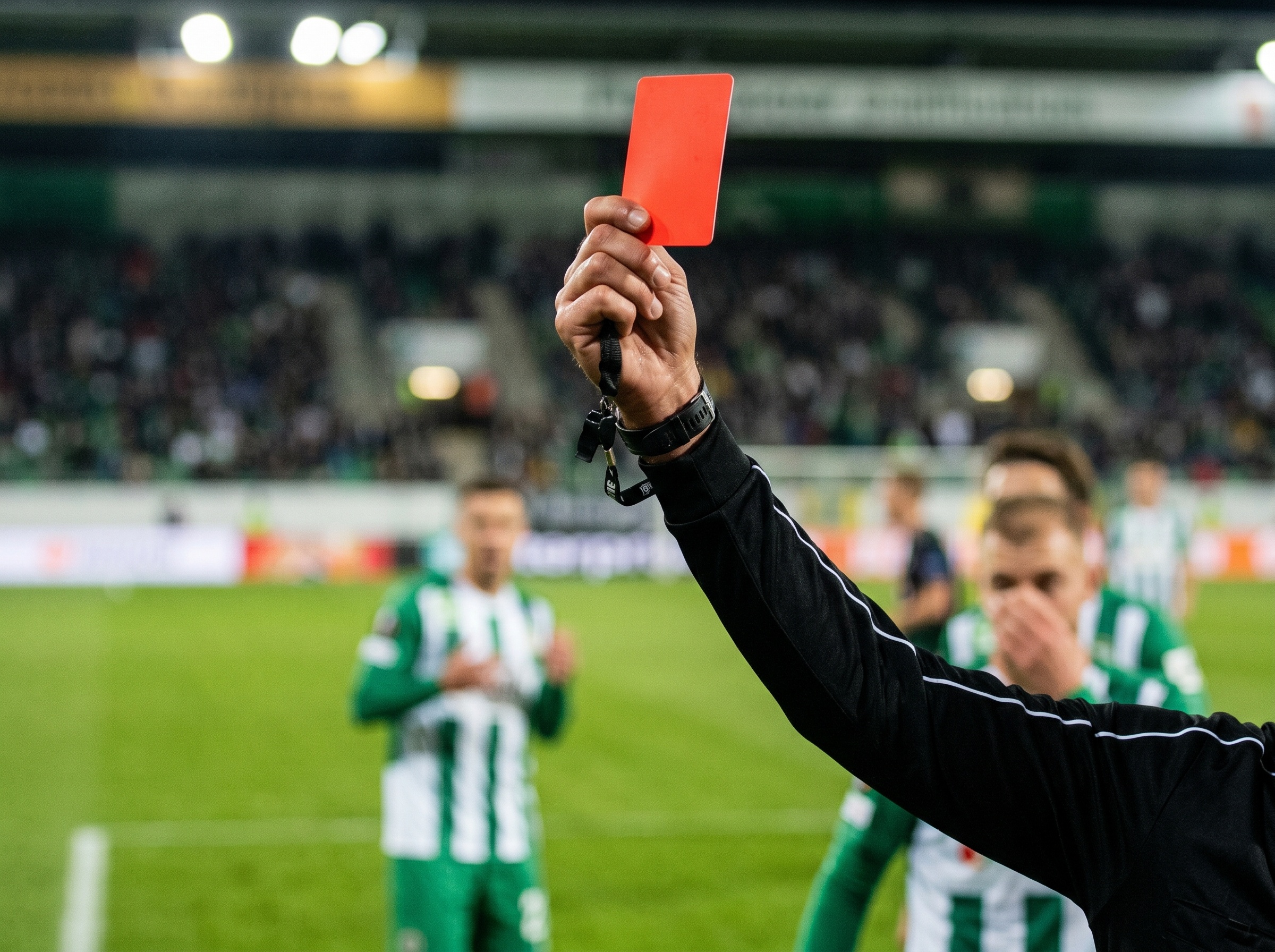
And then there’s that aforementioned “Balogun Affair”. When Folarin Balogun received a red card during a group stage match, Trump personally called the FIFA President to overturn the suspension, knowing that otherwise the US team would be missing one of their best players for the next game. FIFA yielded to the political pressure and in the process swept aside 64 years of World Cup rules, and as UEFA stated put the “integrity of the game at stake.”
And if FIFA imagined that now the World Cup is over the affair would be forgotten, they are sadly mistaken. Norway is planning a formal FIFA ethics complaint and there are calls for the FIFA president to resign.
Argentina make an art out of being a sore winner
What can we say about Argentina? According to Midfielder Enzo Fernandez they represented their nation “in the best possible way”, which is a bit unfortunate as they came across as an overly aggressive team who were not just bad losers but bad winners as well.
From refusing to watch Spain lift the World Cup to holding up a banner after their win over England which read “The Falklands are Argentine”, their behaviour throughout the tournament has been terrible. Hardly surprising then that FIFA has opened an investigation into their behaviour after the final.
However, you could argue they behaved completely on brand as this isn’t the first time they’ve been accused of unsportsmanlike behaviour. But they have always held a trump card, the brilliance of Lionel Messi. He has helped people forgive and forget their wilder transgressions and offered them a level of adoration that in many ways they don’t deserve.
But with his impending retirement on the cards, the chances are fans won’t be so forgiving in the future. A great example of why a brand should never be built solely on the reputation of one person.
The winners
So, let’s have a look at who came out as winners.
The Tartan Army conquer America, one traffic cone at a time
We’re talked before about how football brand fans can be bad for football, but in the Tartan Army’s case, it’s the complete opposite. Not only did they take America by storm, they also stole their hearts in the process.
Around 50,000 Scotland fans visited Boston in the first part of the group stages, and their exploits quickly went viral. Social media abounded with footage of bagpipes, kilts, singing, drinking and dancing. Statues acquired traffic cones; dogs acquired traffic cones; the Massachusetts governor had an official welcoming ceremony for a traffic cone.
The Americans praised them wholeheartedly for their infectious joy, good humour and for creating one big inclusive party. They immersed themselves in American life; raised £35,000+ for local charities; stole the show at a Boston Red Sox game and left a city sad they were leaving.
And true to the reputation Scots are big drinkers, the rumours they drank Boston dry are 100% true (we have it on good authority!) It’s also 100% true all that was left was Bud Light, which they wouldn’t touch with a bargepole. Not exactly a ringing endorsement for the American beer!
UEFA take a stand
“Unprecedented, incomprehensible and unjustifiable”. Those were UEFA’s words after FIFA’s decision to not uphold Balogun’s red card, so it didn’t come as a massive surprise when the UEFA president decided to boycott the World Cup final.
But it’s not the only issue UEFA had with FIFA’s running of the World Cup. They questioned the use of dynamic ticket pricing, disagreed with several rule changes, including those around mandatory hydration breaks, and were unhappy about FIFA’s handing of visa issues for Somali referee Omar Artan who was denied entry to the US. UEFA have now picked him as referee for the UEFA Super Cup.
And while UEFA doesn’t necessarily have the best reputation, being accused in the past of favouring elite clubs and corporate greed, it’s stance against FIFA hasn’t done its brand any harm, and, in fact, has helped cement their positioning as the advocate for traditional fans.
Erling Haaland is “nice”
Even if you don’t watch football, you will have heard of Erling Haaland. The Norwegian Manchester City striker who is on track to be one of the most prolific goalscorers of all time.
And just like the Tartan Army, America, and pretty much the whole world, fell in love with him. Maybe it’s because he’s slightly quirky. Maybe it’s because he comes across as a genuinely nice guy and not a polished, media-trained footballer. Maybe it’s because he has a collection of rare Hermès bags (yes, really!). Whatever the reason it’s all summed up with one word – authenticity. Something which is so important when you are building a brand.
It’s why his Instagram following has grown from 40 million to 75 million since the World Cup, and why, people are obsessed with him commenting ‘nice’ on their posts!
England losing well, for once
Yes, we know we haven’t quite dispelled “60 years of hurt”, and yes, we know that once again the England football team have proved how fabulous they are at snatching defeat out of the jaws of victory, but seriously – that third place play-off! What more could you ask from a game of football? We’d almost go as far as to say it was the best match of the whole tournament. And by securing a 6-4 win against France, they had their best World Cup finish since winning back in 1966.
And while England may not have won, getting so far into the tournament (94% felt they met or surpassed their expectations) has definitely changed people’s overall sentiment towards the team.
And that’s partly been helped by Jude Bellingham. His bromance with Haaland; his face lighting up when he spotted his mum in the crowd; breaking the England World Cup goals .
That together with an obvious unified team spirit and pitch-side renditions of “Wonderwall” has definitely helped fans feel more connected to the England football team. And as we know, creating a genuine emotional connection to your audience is key to brand success.
Authenticity Matters
If this World Cup taught us anything about branding, it’s that authenticity means more than money, and a good reputation is easier to lose than to build.
FIFA and the USA had everything at their fingertips but still came away looking like they’d prioritised money over the game. Meanwhile a few thousand Scots in kilts, a quirky Norwegian striker, and a team that didn’t even win did more for their brands with humour and heart than any sponsorship deal could buy.
Then there’s Messi. Proof building a brand around a person isn’t wise, especially if you’re using it as a cover for bad behaviour.
The bottom line? So much of brand reputation is based on actions and behaviour rather than polished PR stunts, and when you’re part of something which is watched by billions,, you really can’t afford to get that wrong.